
Space science
Overview of Neptune
Neptune is the eighth and most distant planet from the Sun in the Solar System. It is the fourth largest planet in diameter and the third largest in volume.
Browse ScienceInfo articles and explainers related to The Moon.
578 published items.
Neptune is the eighth and most distant planet from the Sun in the Solar System. It is the fourth largest planet in diameter and the third largest in volume.
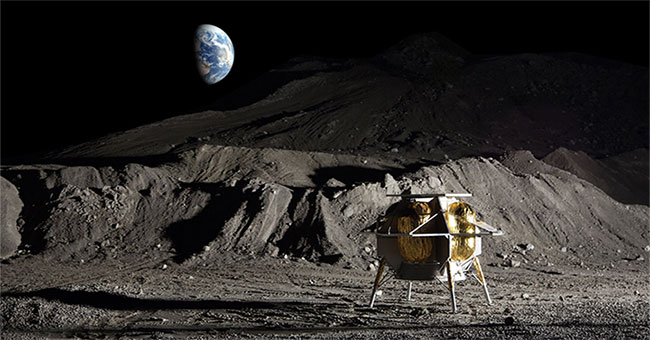
Since the Apollo 17 ship put people on the Moon in December 1972, NASA has never made a comeback mission.
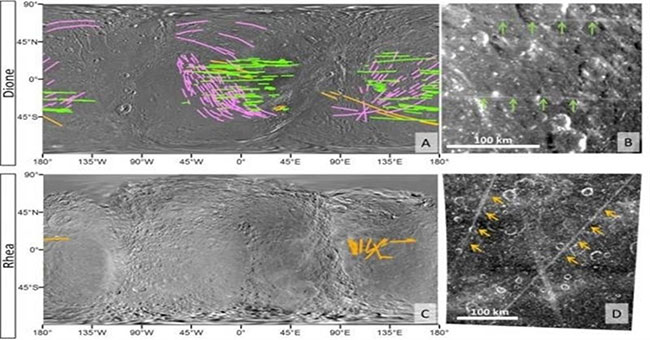
Specifically, on October 26, scientists from the Planetary Science Research Institute Alex Patthoff suddenly observed the Saturnian moon Dione and discovered many streak…
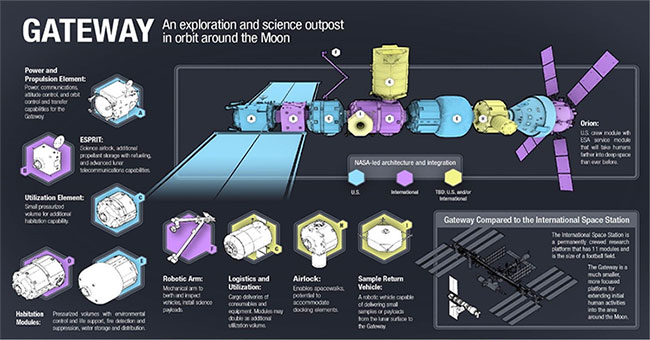
The Moon Space Portal - a transit point between the Earth, Moon and Mars, replaces the ISS International Space Station, which will be built faster than originally planne…

The Moon meteorite block was sold for more than $ 600,000 at an auction in Boston, USA, for Xuan Truong company to be donated to a temple.

'This is a small step of a human being, but a giant step of humanity' is the words of Neil Armstrong when he put his first foot on the Moon on July 20, 1969.
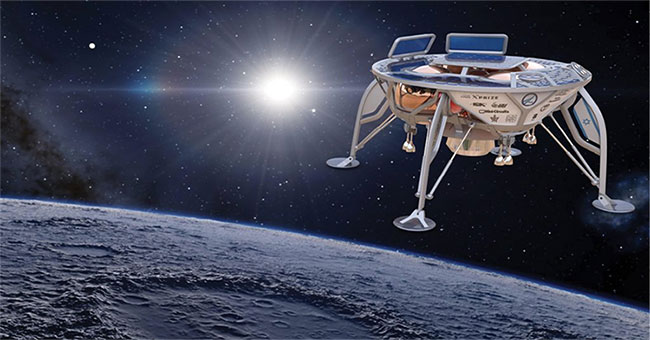
In the October 10 announcement, SpaceIL said the plan should be made in December but will be delayed to early 2019 at SpaceX Group's decision.
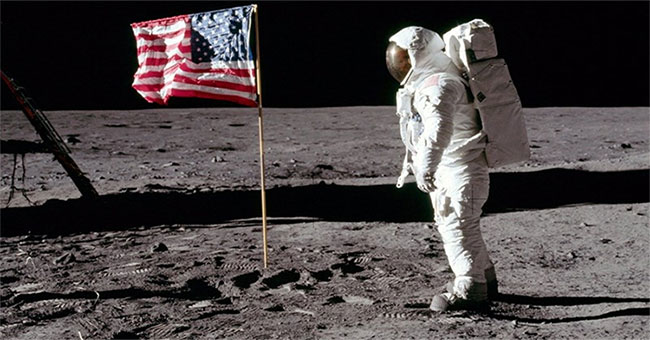
On July 10, 1969, the Apollo 11 spacecraft landed on the Moon.

The richest billionaire in the world says humanity will have to expand extraterrestrial survival and predict that one day there will be trillions of people in the Solar…
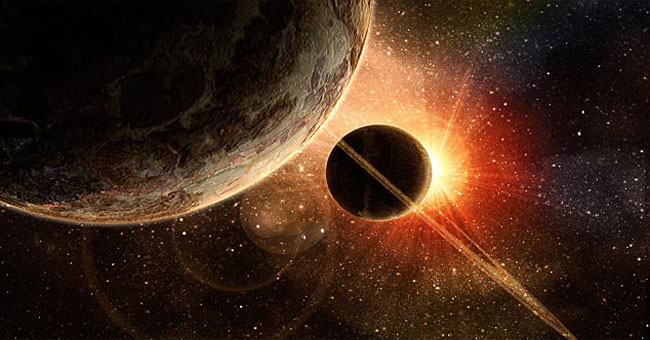
If the object has been confirmed by the Hubble Space Telescope as a moon, this is the first moon to be found outside of our solar system.

On August 16, 2018, the US Space and Aerospace Agency (NASA) Apollo 12 spacecraft explored a surface area of the Moon when it suddenly discovered a strange object.
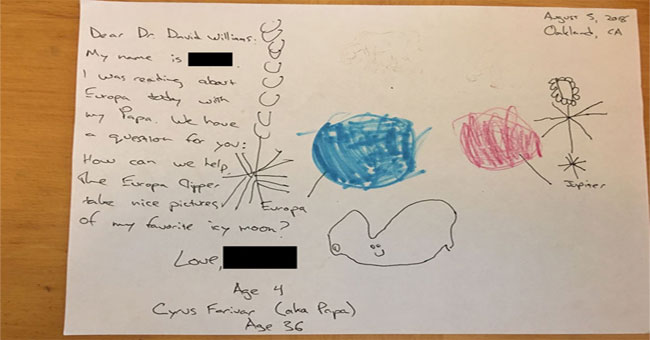
Dr. David Williams from NASA responded with her letter and included a photo with pictures of the Europa Clipper and the satellites Europa and Jupiter in the back.
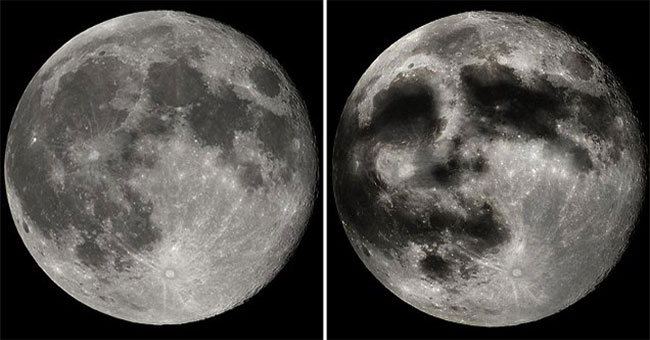
Illusion of people on the Moon - the appearance of a face or head that people often see on the Moon during the full moon.
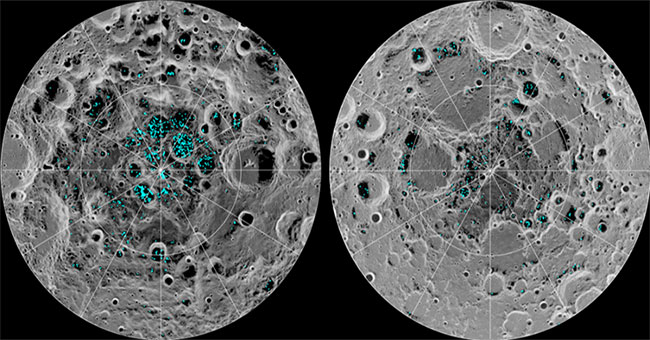
NASA's image spectrum device first detected ice inside the craters at the poles of the Moon.
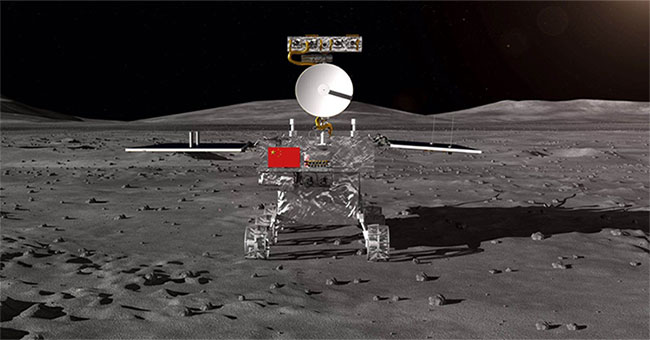
On August 15, China announced images of lander and self-propelled vehicles serving the Hang Nga-4 project - expected to land in the dark areas of the Moon this year.